×
Bidding has ended on this item.
This Auction Uses Proxy Bidding.
Lot # 521
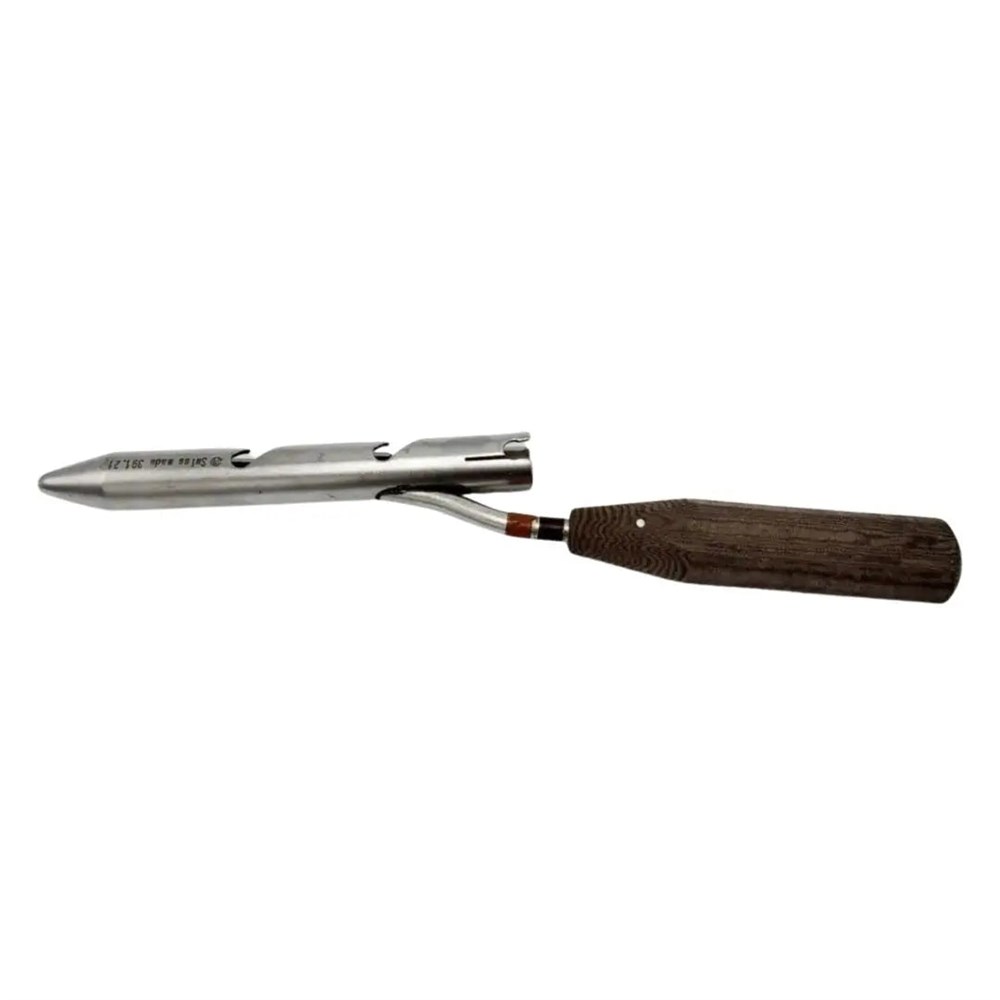
Synthes 391.21 Tightener Handle 9-1/2" #2 View Watchlist >
Ended
- Starting Bid: $42.00
- 0 Bid(s)
Seller - admin
Payment Options
Seller Accepts PayPal
Payment is due within 24 hours of auction closing via approved methods unless otherwise approved
Lot # 521
System ID # 1157151
Start Date
End Date
0 Watching
Description
Synthes 391.21 Tightener Handle 9-1/2" #2
• Model: 391.21
• Overall Length: 9-1/2 inches
The Synthes 391.21 Wire Tightener Handle (9‑1/2″ / ~230 mm) is a manual surgical instrument designed to help the orthopedic surgeon or surgical team apply tension to wires used in bone fixation — such as cerclage wires around fractures, tension band wiring (e.g., for patella, olecranon), or Kirschner wires. The device includes a handle plus two pegs; the wire is looped or passed around/between pegs so that twisting or manipulation of the handle allows tightening of the wire to a desired tension. Because wire fixation requires specific tension to hold fragments in position while allowing healing, this tool is critical in achieving stable fixation without over‑tightening which could damage bone or cut through.
The construction uses hardened, corrosion‑resistant steel, with passivation to reduce risk of rust/corrosion under repeated sterilization. The length (≈ 230 mm) gives adequate leverage so that the user can generate tension without excessive strength or fatigue. Its handle is designed to give good grip even with surgical gloves, and the pegs (attachment points) are designed to securely hold wire without slippage. The instrument must be cleaned thoroughly (especially around any pivot or peg holes) to prevent accumulation of debris that could interfere with wire grip or cause damage.
In practice, the 391.21 is used during operations where wire loops are used for fixation: for example in fractures that require cerclage wiring, or in tendon or patella tension band configurations. The surgeon uses fluoroscopic guidance or visual inspection to ensure that the wires are tightened just enough to stabilize fragments but avoid excessive pressure that could cause wire cutting into bone or necrosis. After setting, wire slack should be trimmed, twists secured, and ends tucked or covered as needed. Key concerns are avoiding over‑tension, ensuring the wire is properly seated against bone, pegs are intact (no wear/damage), and the handle component is solid without wobble — else tension may be inconsistent or lose when clamped.
This item is used and in very good condition.
