×
Bidding has ended on this item.
This Auction Uses Proxy Bidding.
Lot # 496
Synthes 356.521 Orthopedic Aiming Arm View Watchlist >
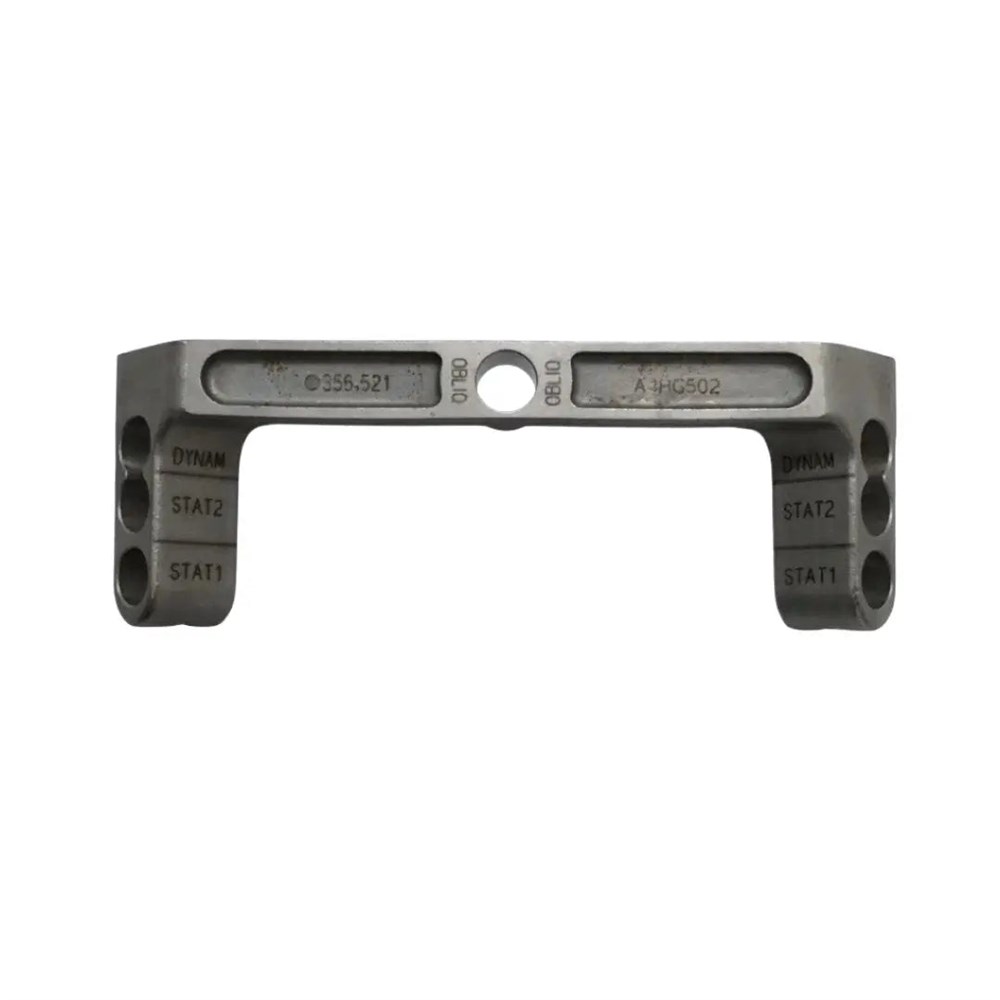
Ended
- Starting Bid: $44.00
- 0 Bid(s)
Seller - admin
Payment Options
Seller Accepts PayPal
Payment is due within 24 hours of auction closing via approved methods unless otherwise approved
Lot # 496
System ID # 1155501
Start Date
End Date
0 Watching
Description
Synthes 356.521 Orthopedic Aiming Arm
• Model: 356.521
The Synthes 356.521 Aiming Arm is a guiding tool used during the insertion of titanium intramedullary tibial nails. In tibial nailing procedures, alignment of locking screws or bolts is critical, both proximally and distally, to ensure stability of the implant and to avoid misplacement that could impact bone integrity or complicate later removal. The aiming arm attaches to the tibial nail or its insertion handle and provides a mechanical reference so that drill sleeves, bolts, or locking bolts can be placed accurately.
By using the aiming arm, the surgeon or surgical assistant can reduce the need for repeated adjustments or guesswork under fluoroscopy. It helps in aligning drill sleeves and guide wires so that the locking screws pass through the nail holes properly and at the correct angle. This contributes both to surgical efficiency (less time under fluoroscopy, fewer repositionings) and to better patient outcomes (less risk of malalignment, fewer complications like screw misplacement or weakening of bone). The tool’s rigidity and precision of its joints / attachments are essential for consistent performance.
Operationally, the aiming arm needs to be durable, precise, and simple to use in the operating room. It must lock securely to the nail or insertion assembly, resist play or wobble, and maintain its alignment even under the minor mechanical stresses of drilling and hammering components into place. Also, the design must allow easy cleaning and sterilization. For the surgical team, ensuring that the aiming arm is correctly engaged, that its attachments are tight, and that it is visually aligned (often under fluoroscopy), are key steps. Because titanium nails are used, interference from imaging, handling of titanium interfaces (connecting screws, etc.), visibility, and safe handling of the aiming arm all become part of its practical usage.
This item is used and in good condition.
