×
Bidding has ended on this item.
This Auction Uses Proxy Bidding.
Lot # 494
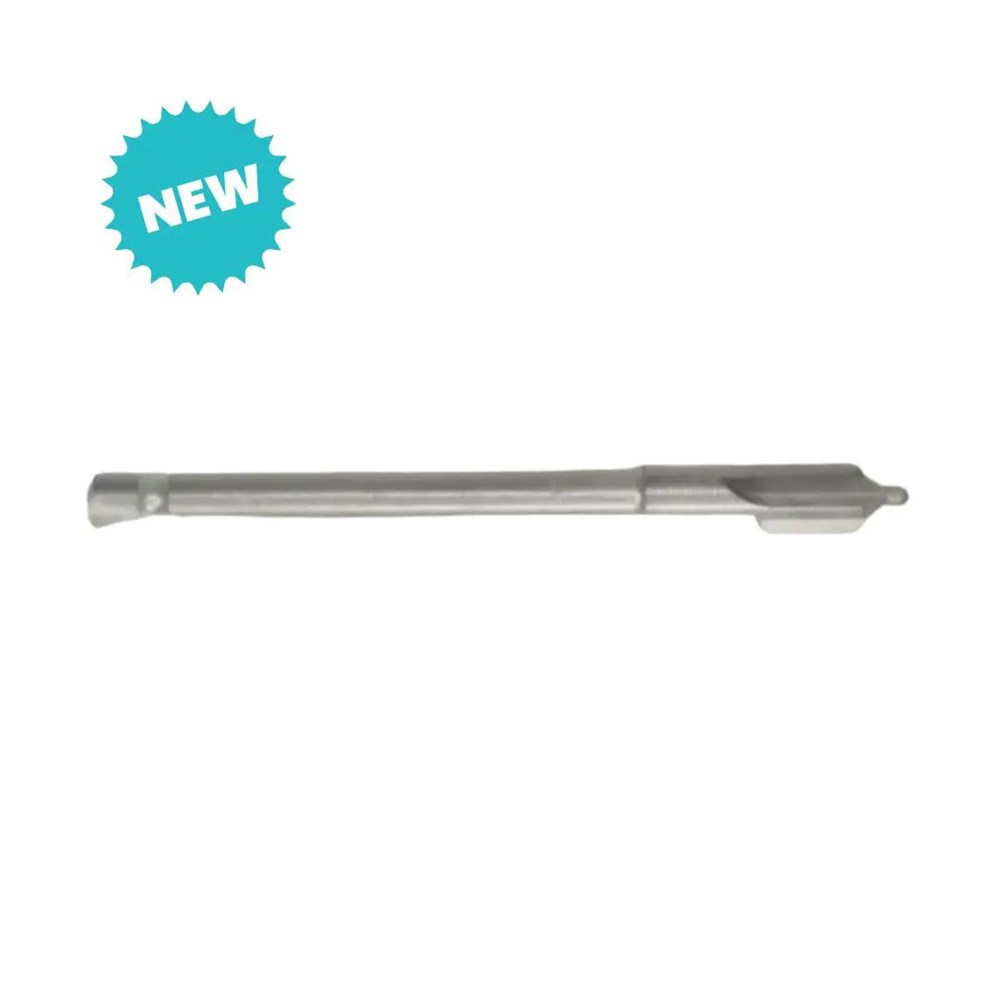
Synthes 310.87 Orthopedic 2.7mm Countersink 2-3/8" (New) View Watchlist >
Ended
- Starting Bid: $44.00
- 0 Bid(s)
Seller - admin
Payment Options
Seller Accepts PayPal
Payment is due within 24 hours of auction closing via approved methods unless otherwise approved
Lot # 494
System ID # 1155369
Start Date
End Date
0 Watching
Description
Synthes 310.87 Orthopedic 2.7mm Countersink 2-3/8" (New)
• Model: 310.87
• 2.7mm cortex screw (Screws not included)
• Overall Length: 2-3/8 inches (5.7cm)
The Synthes 310.87 2.7 mm Countersink is a finishing instrument used in orthopedic surgery to prepare screw holes so that the heads of 2.7 mm cortex screws will sit cleanly on or slightly below the surface of bone or implant plates. Following drilling of the pilot or gliding hole, the countersink bevels the entry to avoid binding of the screw head, reduce protrusion, and help achieve more cosmetically and functionally acceptable screw seating. This is particularly important in cortical bone where the surface is harder and less forgiving; a proper countersink helps minimize stress around the screw head and prevents tearing or damage to soft tissues.
At a length of about 2‑3/8″ (5.7 cm), the 310.87 is modest in size, giving enough control and visibility without being unwieldy. Its relatively short shaft is beneficial in small bone work (hands, feet, small fragments) or in anatomical regions with limited exposure, where a long shaft might obstruct visibility or interfere with surrounding tissues. Being “new” ensures sharp, clean cutting edges, which makes a difference in producing smooth, precise bevels without chatter or burrs.
In clinical use, this tool contributes to better screw‑implant relationships, reduced risk of screw head prominence (which can irritate soft tissue or cause mechanical snagging), and improved overall fixation stability. However, surgeons must take care to use the right size countersink for the screw (too large and it weakens the bone plate interface; too small and the screw head may ride up). Also, the angle of the countersink (which is not generally published for this part in the sources located) and condition of the cutting edges matter: dull edges can lead to rough, uneven bevels, microchipping of the bone, or increased insertion torque. Proper sterilization, care of the tool, and ensuring it’s used only when matched with the correct screw system are key to maintaining its performance.
This item is new.
