×
Bidding has ended on this item.
This Auction Uses Proxy Bidding.
Lot # 294
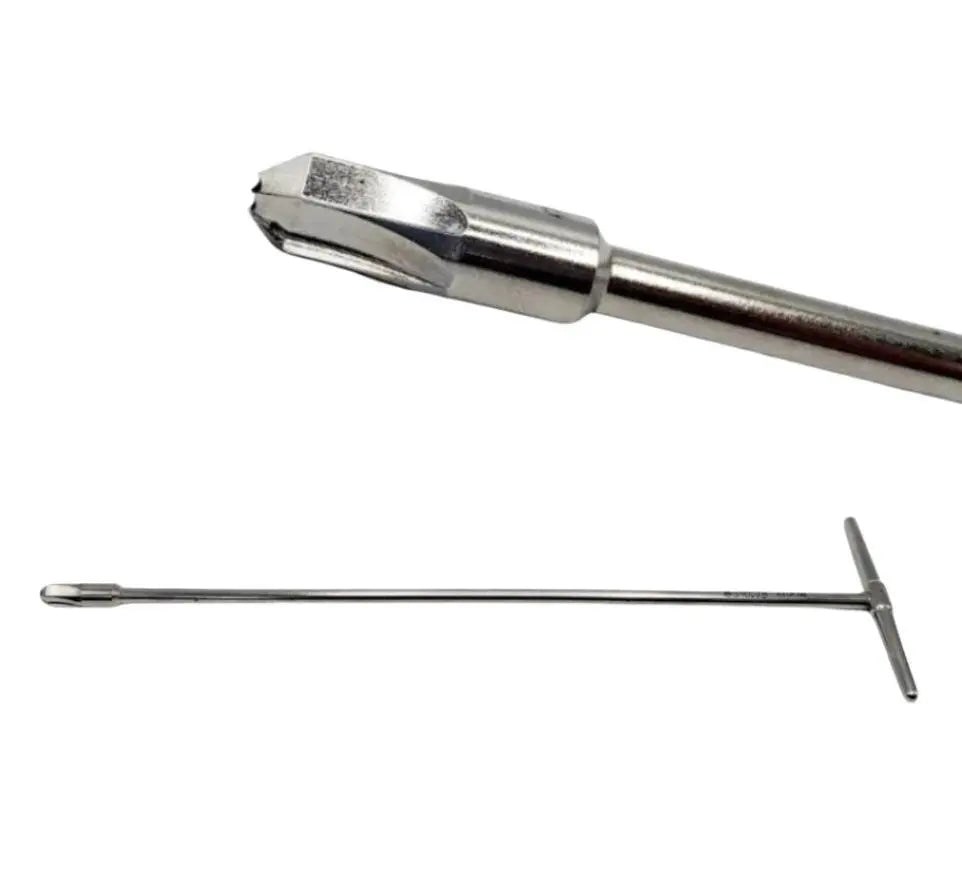
Synthes 310.78 Cannulated Countersink 10-7/8" View Watchlist >
Ended
- Starting Bid: $53.00
- 0 Bid(s)
Seller - admin
Payment Options
Seller Accepts PayPal
Payment is due within 24 hours of auction closing via approved methods unless otherwise approved
Lot # 294
System ID # 1142169
Start Date
End Date
0 Watching
Description
Synthes 310.78 Cannulated Countersink 10-7/8"
• Model: 310.78
• Cannulated
• Compatible Cannulated Screws: 6.5mm and 7.3mm
• Shaft Diameter: 5.5mm
• Overall Length: 10-7/8 inches
The Synthes 310.78 Cannulated Countersink is a surgeon’s tool used during the placement of 6.5 mm or 7.3 mm cannulated screws. Because cannulated screws are placed over a guide wire (“k‑wire”), this countersink is also cannulated so it can advance over the wire, ensuring proper alignment. After drilling the pilot or gliding hole through bone, the countersink is advanced to provide a beveled or recessed opening in the cortical or superficial bone layer so the screw head, or its washer, can sit flush or slightly recessed, minimizing soft‐tissue irritation and improving biomechanical seating.
The presence of the cannulation ensures that the tool maintains alignment with the screw path established by the guide wire, which is especially important in orthopedic fixation where misalignment can compromise screw purchase, strength, or lead to complications. Using a countersink also helps in reducing the risk of screw head prominence which can cause discomfort or may interfere with overlying soft tissue or hardware‑implant constructs.
Practically, the tool’s usefulness includes improved finishing of screw holes: smoother seating, better cosmetic outcomes, reduced risk of stripping the cortical surface around the screw head, and more reliable hardware placement. Surgeons must ensure good visibility and that the countersink is appropriate for the screw size (in this case 6.5/7.3 mm), the drill hole diameter is correct before countersinking, and that the edges are smooth. The instrument must be well maintained — sharp cutting edges, clean cannulation, and free from burrs — so that it does not catch on the guide wire or deform the bone surface.
This item is used and in good condition.
